
IBS (Irritable Bowel Syndrome) can make life a misery. It’s estimated to affect 10-15% of the population worldwide, which means that more than 700 million people are regularly suffering symptoms that include abdominal pain and bloating.
Unfortunately, it’s one of those health conditions for which the precise cause hasn’t yet been pinpointed, though at the time of writing, the NHS highlights a few triggers for IBS including stress and anxiety, along with certain foodstuffs such as caffeine, alcohol and spicy or fatty foods.
We know from personal experience how wretched it can make you feel, because my husband started to suffer from it on an ad hoc basis about 15 years ago and then four or five years ago, it suddenly got much worse.
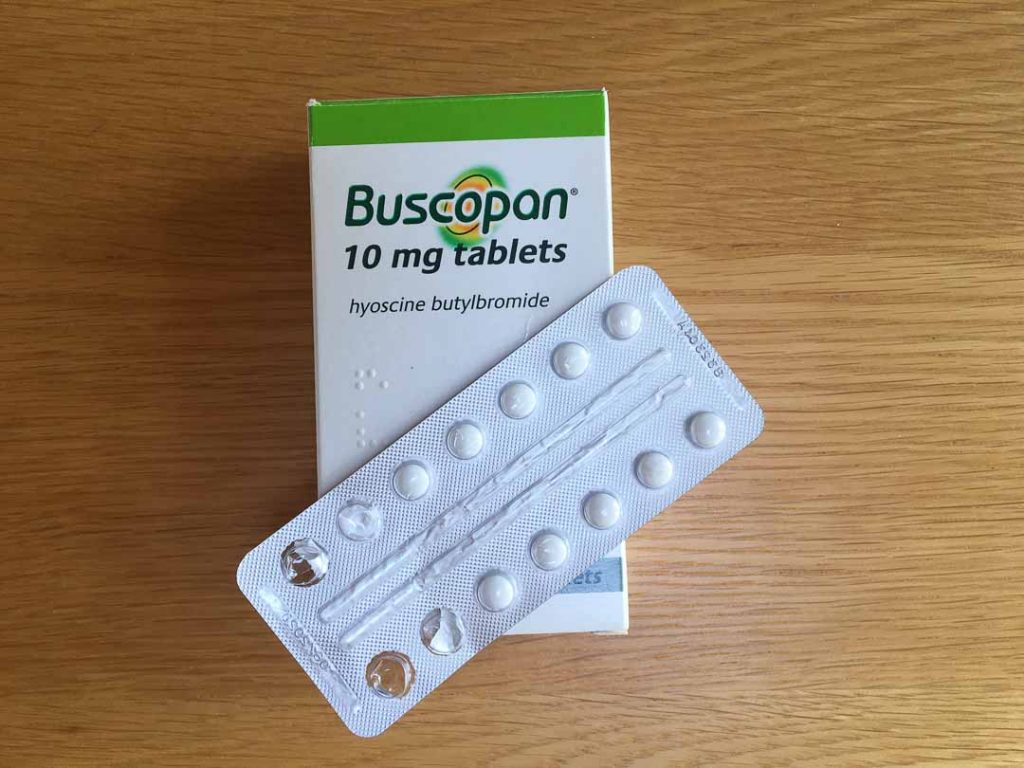
In the early days, we were completely baffled about what triggered it and to make matters worse, so were the doctors, though gradually, we did start to notice that flare ups were more common during the summer months. This in itself was a mystery though, especially as we always felt we ate healthier than ever at that time of year, consuming copious quantities of fresh fruit and vegetables in all manner of dishes as we used up our plentiful harvests.

Then, nearly two years ago, a friend mentioned Monash University and their ground-breaking work into foods that contain Fermentable Oligosaccharides, Disaccharides, Monosaccharides and Polyols, thankfully shortened to ‘FODMAPs’ which trips off the tongue much easier. FODMAPs are a collection of short-chain carbohydrates or sugars, that aren’t absorbed properly in the gut and which can trigger the symptoms of IBS for many people.
Since 2005, researchers in the Department of Gastroenterology at Monash University in Australia have been measuring the FODMAP content of a wide range of foods and have developed something called the low FODMAP diet, which is a special food elimination and re-introduction programme that IBS sufferer can follow to see if it helps to alleviate their symptoms. It’s been proven to help three out of four sufferers, so we decided to get the app and give it a try. I should point out that Monash do advise that the app should only be used by those who’ve had a medical diagnosis of IBS and that they should do so under the supervision of a qualified dietitian.
Working through the diet’s phases was a revelation and has been nothing short of life changing in terms of symptom reduction because it helped us to identify the FODMAP groups which were causing the main problems for him. After cutting out all potential FODMAPs, we slowly reintroduced foods from each of the groups below one at a time, starting with small portions and gradually increasing them to identify triggers.
- Fructans & galactooligosaccharides (GOS) – found in foods such as wheat, onions, garlic and pulses and certain fruit and vegetables
- Lactose – found in dairy products like milk, yoghurt and soft cheeses
- Fructose – found in honey, high fructose syrups and certain fruit and
- Sorbitol and Mannitol – found in some fruit and vegetables and artificial sweeteners
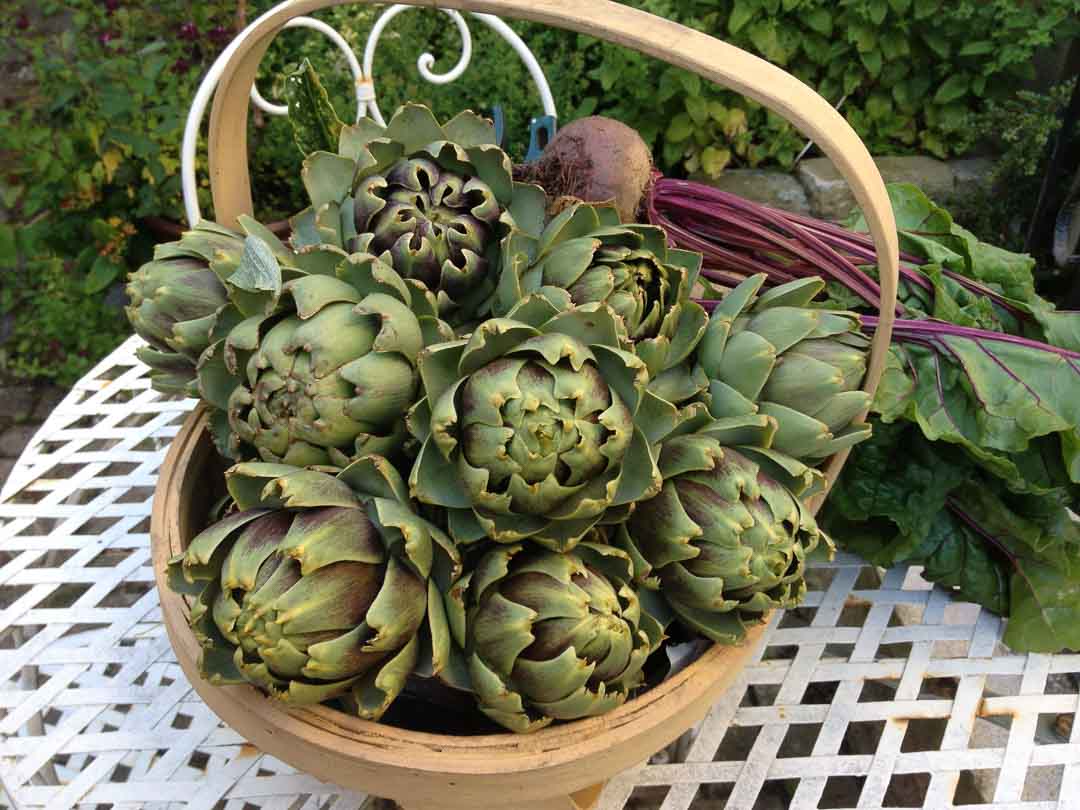
Not only are different people intolerant to different FODMAPs, but also to the quantity they can safely consume without symptoms. It’s a very individual thing– which is one of the reasons it can be so hard to pinpoint the problem without a scientific approach. It took several weeks, but in the end, we’d identified fructans and sorbitol as the main culprits… it didn’t take us long to realise that many of the crops we were eating in copious amounts, such as courgettes, globe artichokes, beetroot, plums and blackberries had been making him ill rather than healthy.
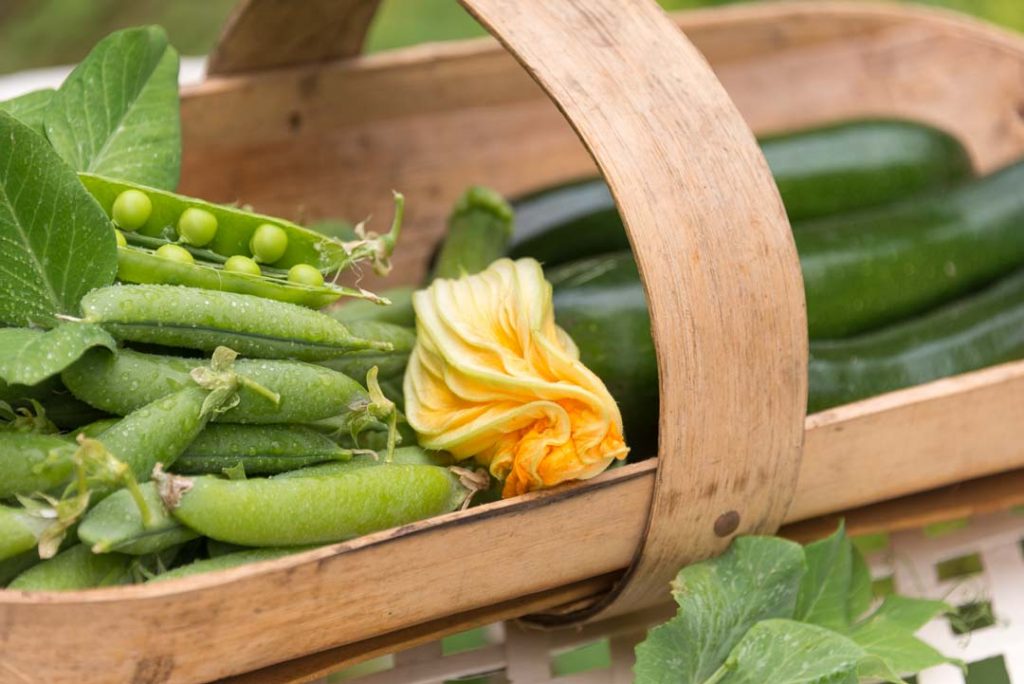
We didn’t see it as the death knell for growing our own fruit and vegetables but we did adapt our allotment to create a more FODMAP friendly vegetable garden and we now know more or less how much of each vegetable can be safely eaten.
People’s tummies and tolerances can change over time and Monash advise people to re-test their trigger foods from time to time to see if their tolerances have changed. For Nick, most of the time it’s about the quantity consumed and he can get away with small amounts of things that would cause problems in a larger quantity, but it’s given me a whole new insight into FODMAP friendly fruit and vegetables and I’ve risen to the challenge of creating new low FODMAP dishes and re-creating some of our favourite recipes in a FODMAP friendly way.
You could even say it’s increased the diversity of our diet, because we make sure to eat a range of vegetables from each group, rather than large amounts of any one particular vegetable and we’ve started growing vegetables that we didn’t grow before because they are low FODMAP.
You can check out our Top 5 FODMAP friendly crops here.


