
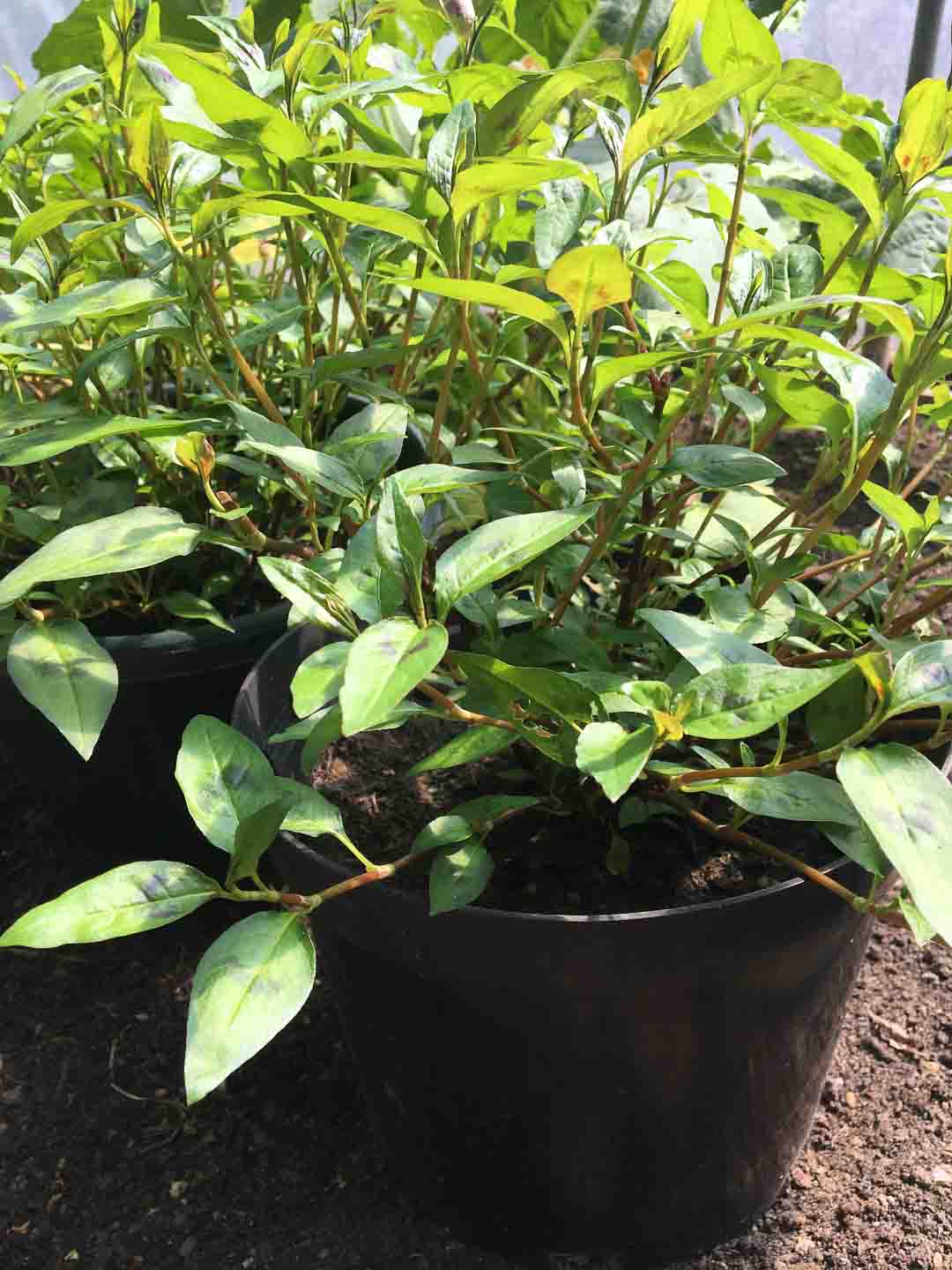
Growing herbs at home is one of the easiest ways to grow some of your own food. They don’t need lots of space and can even be grown in pots on a balcony or terrace if you don’t have a garden.
Better still, it gives you the chance to grow herbs that aren’t usually available from supermarkets and green grocers.
Lovage
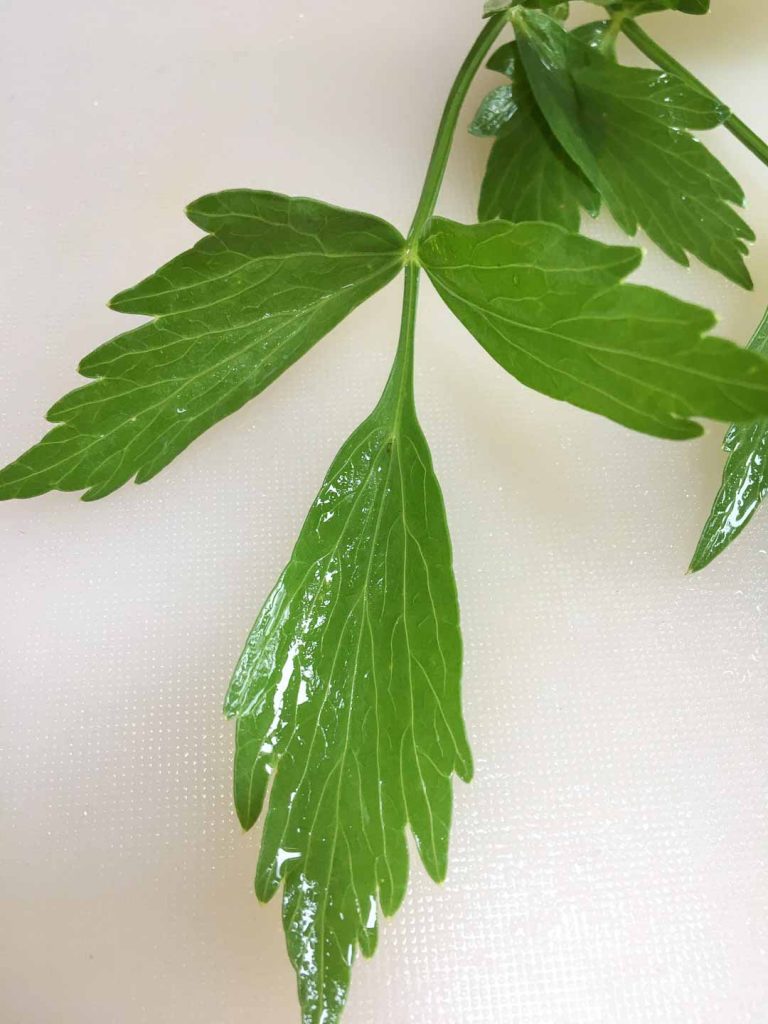
Lovage was traditionally used as an ingredient in love potions and charms and it is said that mediaeval travellers used it to deodorise their boots, whilst fishermen ate it to keep scurvy at bay.
If I could only grow one herb Lovage would be it.
Lovage has a strong celery flavour but it is much easier to grow than celery. It adds another another dimension to soups and savoury dishes which probably explains why it is such a mainstay ingredient in commercial bouillon cubes. Trust me – if you’re making your own homemade vegetable stock from scratch and find it is just missing a certain qu ne sais quoi, lovage is your herb. Just a few leaves, finely chopped and blitzed in at the end. Perfecto.
It’s said to have been brought over by the Romans and is native to the eastern Mediterranean, but it seems to thrive in our garden without too much pampering beyond a good watering if the weather is especially dry. It’s a tall herb, which can grow to about 2 metres high in optimum conditions, so it’s best placed at the back of the herb bed or border where it can have plenty of space and won’t overcrowd smaller plants. As a hardy perennial, once it has established, it should come back year after year and it can be divided in spring if you want to start off a new clump in a different spot.
Vietnamese coriander
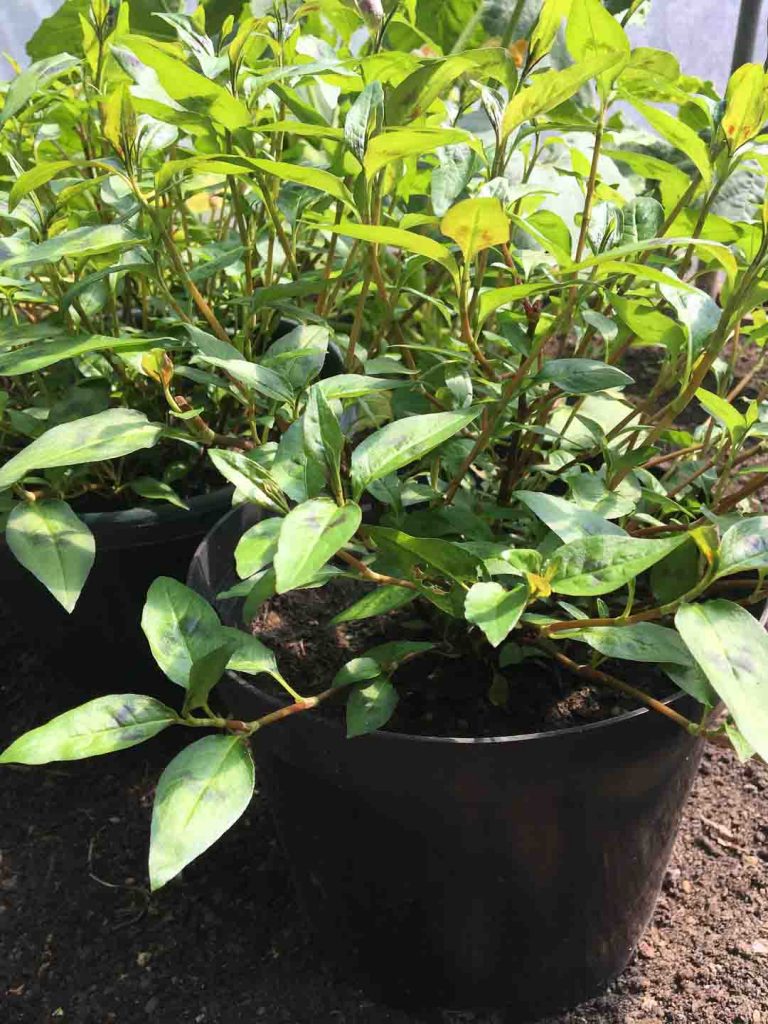
Used widely in Vietnamese, Cambodian and Malaysian cuisines to add a spicy, zesty hit. Add leaves at the end of cooking to retain the flavour.
Who would have thought even twenty years ago that Coriander would become the most popular herb in the UK? Well, apparently it is. We love it, but we’ve never had much success growing it, so we were fascinated when we came across something called Vietnamese coriander.
With the botanic name of Persicaria odorata Vietnamese coriander is a plant – as you would expect – that is native to south and east Asia where it finds its way into everything from stir fries to salads and spring rolls. It’s a completely different herb to the regular coriander we know and love, but the variegated leaves smell strongly of coriander and they taste of coriander, but with a slightly spicy, citrus kick to them.
In late spring, we potted a small plant into a large pot of free draining compost and popped it into the poly tunnel to see how it went and were pleased to discover it absolutely thrived. We kept pinching out the tips to encourage bushy growth and watered it only when the soil in the pot was dry to the touch on top and it has given us a constant supply of tasty leaves. It probably won’t survive the winter as its a tropical plant, but we’ve taken cuttings to grow on indoors to see if we can keep it going. Plants can also be brought indoors over winter.
Its definitely one to try if you have a poly tunnel or greenhouse or even just a nice sunny but sheltered spot in the garden or on a balcony.
Garlic chives
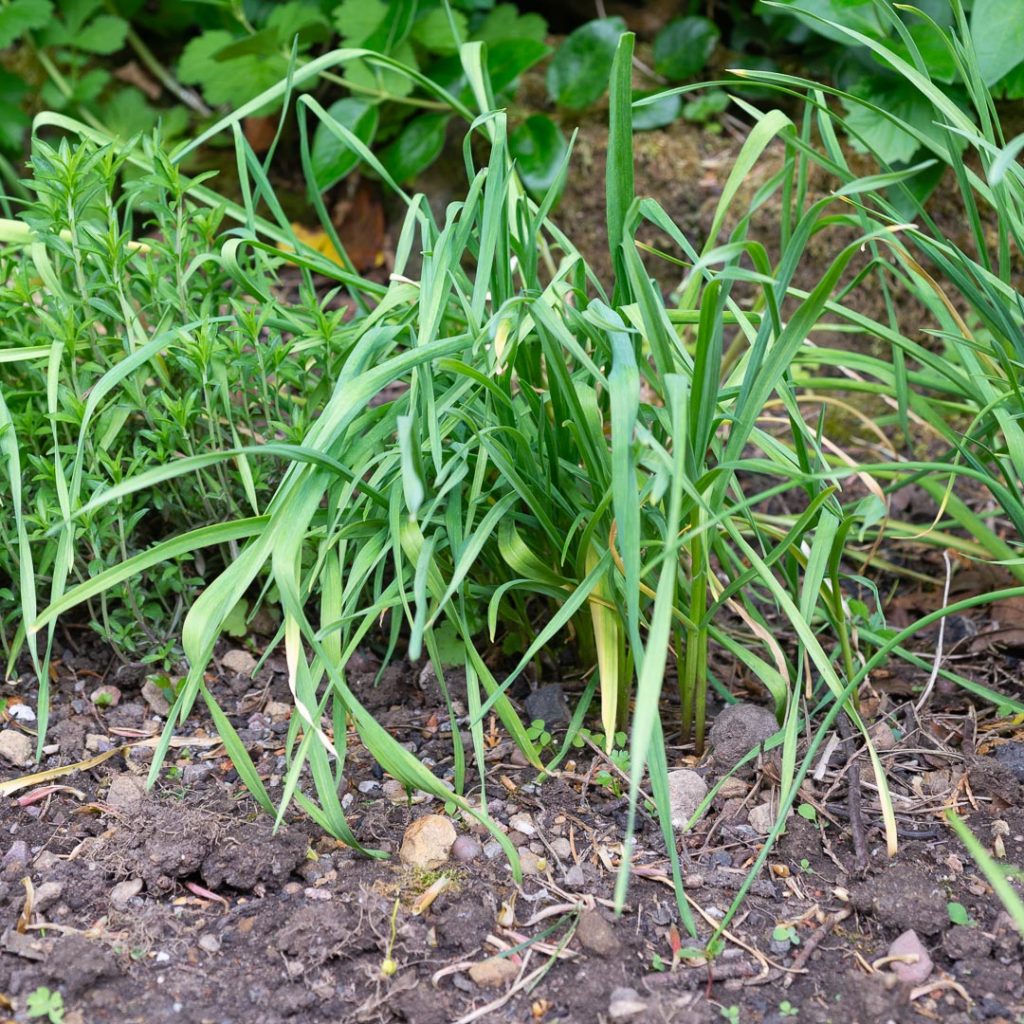
The Japanese call these chives nira and add them to dumplings, stir fries and pancakes.
Garlic chives – Allium tuberosum – are native to China, hence their other name of Chinese chives. They grow well in the British climate and their flat, grass like leaves a a wonderful hit of garlic to meals when added at the end of cooking.
What makes these little herbs so fantastic though, is that they are classified as low FODMAP by Monash University, so for those who cannot tolerate regular garlic, they are a must have ingredient. They are especially useful for making low FODMAP pesto or for adding to softened butter to make garlic butter.
It’s not a herb we’ve ever seen in supermarkets though, so unless you’re lucky enough to have a specialist Asian supermarket nearby, growing your own is the answer.
Bay
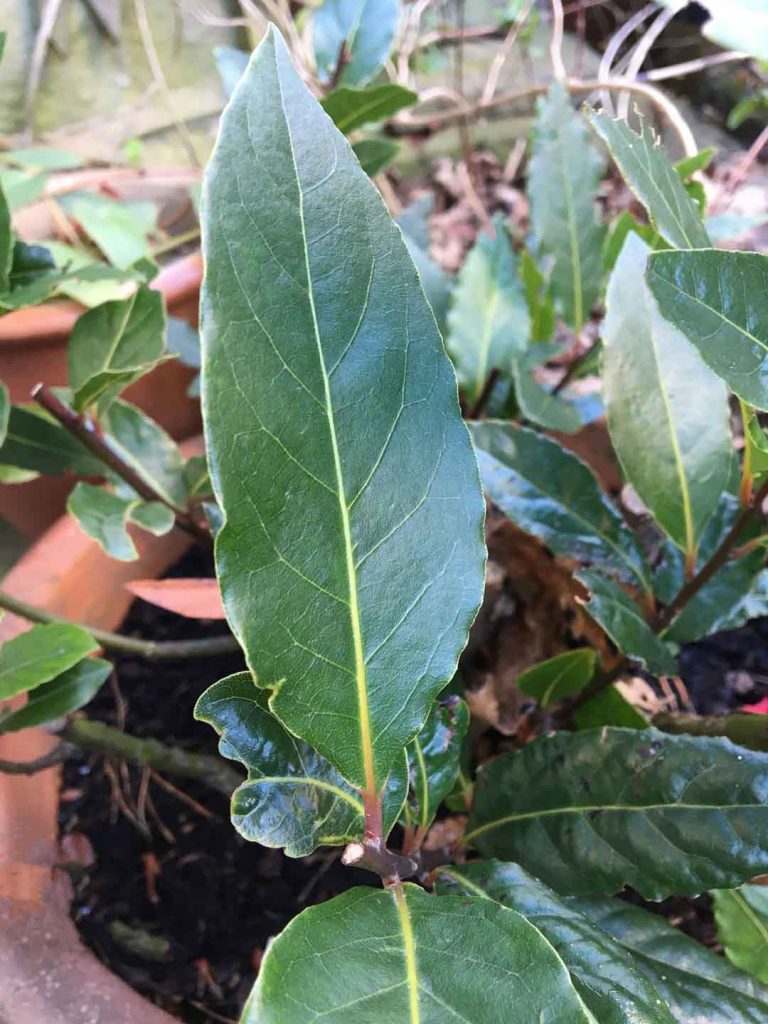
Bay was thought to bring good fortune and protect from evil and the leaves were often burnt during outbreaks of plague.
OK, I know that dried bay leaves are ten a penny on supermarket shelves, but honestly, I doubt you’d notice much difference if you added dried grass to a dish instead of a dry, crumbly bay leaf, especially one that’s been hanging around in the spice rack for more than a year. The aroma and flavour you get from a fresh bay leaf makes is so superior you’ll never want to go back to dried again. They are also great for adding depth and flavour to dried pulses being pressure cooked – if I’m cooking lentils or soup in the Instant Pot, I always pop outside for a fresh bay leaf.
Bay trees Laurus nobilis Lauraceae can last for years and make a very attractive ornamental container plant. The large, topiary styled ones can be excruciatingly expensive, but have a hunt around your garden centre for smaller plants which haven’t been shaped into a lollipop or conical and you can often find a bargain. They need some shelter in winter, but unless you live in a very exposed place, just tucking them into a sheltered spot near a house wall is usually adequate.
Lemon balm
Lemon balm has a history of use in herbal medicine, where its mild sedative effect has been useful in treating sleep disorders and modern research has revealed that it has antiviral properties.
Closely related to mint, lemon balm is worth growing just for its fragrance and attractive foliage, which is especially lovely on variegated varieties.
However, it also has many culinary uses, adding a subtle lemon flavour to dishes. Young leaves can be added to salads and a small bunch can be steeped in hot water to make a refreshing tisane which can be drunk hot, or chilled and served over ice in summer.
Like mint, lemon balm has a tendency to spread, so it’s a good idea to plant it in a pot or a contained herb bed to prevent it taking over the garden!


