
When it comes to digestibility, some vegetables are notoriously difficult to deal with. For anyone who’s been diagnosed with IBS and been advised to follow a low FODMAP diet, a first glance at the list of vegetables to avoid can be daunting.
What, no onions! What, no garlic!
Panic not though, because working through the low FODMAP diet, which was developed by Monash University can help sufferers to get a better understanding of FODMAPs and identify which particular groups are triggers for them.
What’s more, although there are certain vegetables to avoid (I’m looking at you, Jerusalem artichokes!) there are some delicious vegetables that are low in FODMAPs or even FODMAP free and better still, they are easy to grow on your vegetable plot.
These are some of our favourites.
Carrots
For us, the humble carrot is a superfood. They’re classed as FODMAP free by Monash and we find them terrifically versatile in the kitchen because they can be included in so many dishes from slaws and salads to soups and vegetable-based bakes.
Carrots are easy to grow from seed but need to be protected from carrot root fly, which can be an absolute pest. They are attracted by the scent of carrots, so you need to be very careful when thinning them out to avoid enticing them. Carrot root flies are a low flying pest too and some people swear by growing carrots in a raised bed that is higher than 90cm, or protecting beds with a high barrier of fleece.
Kale
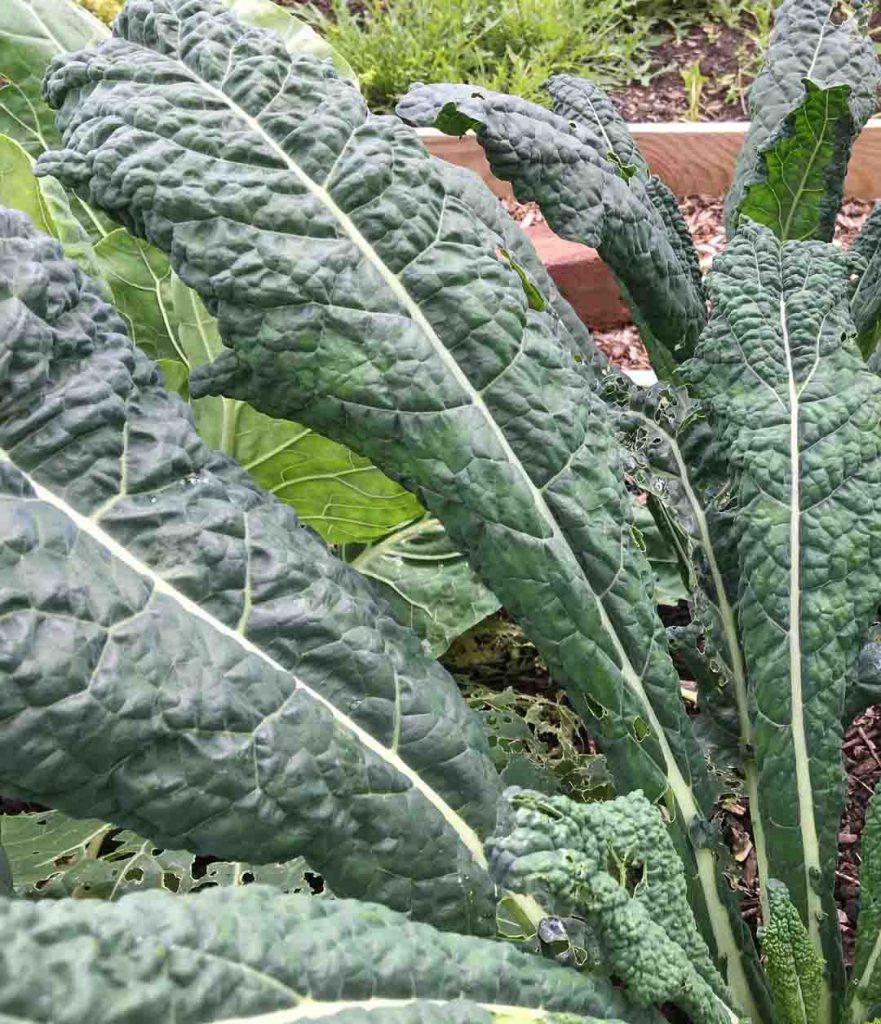
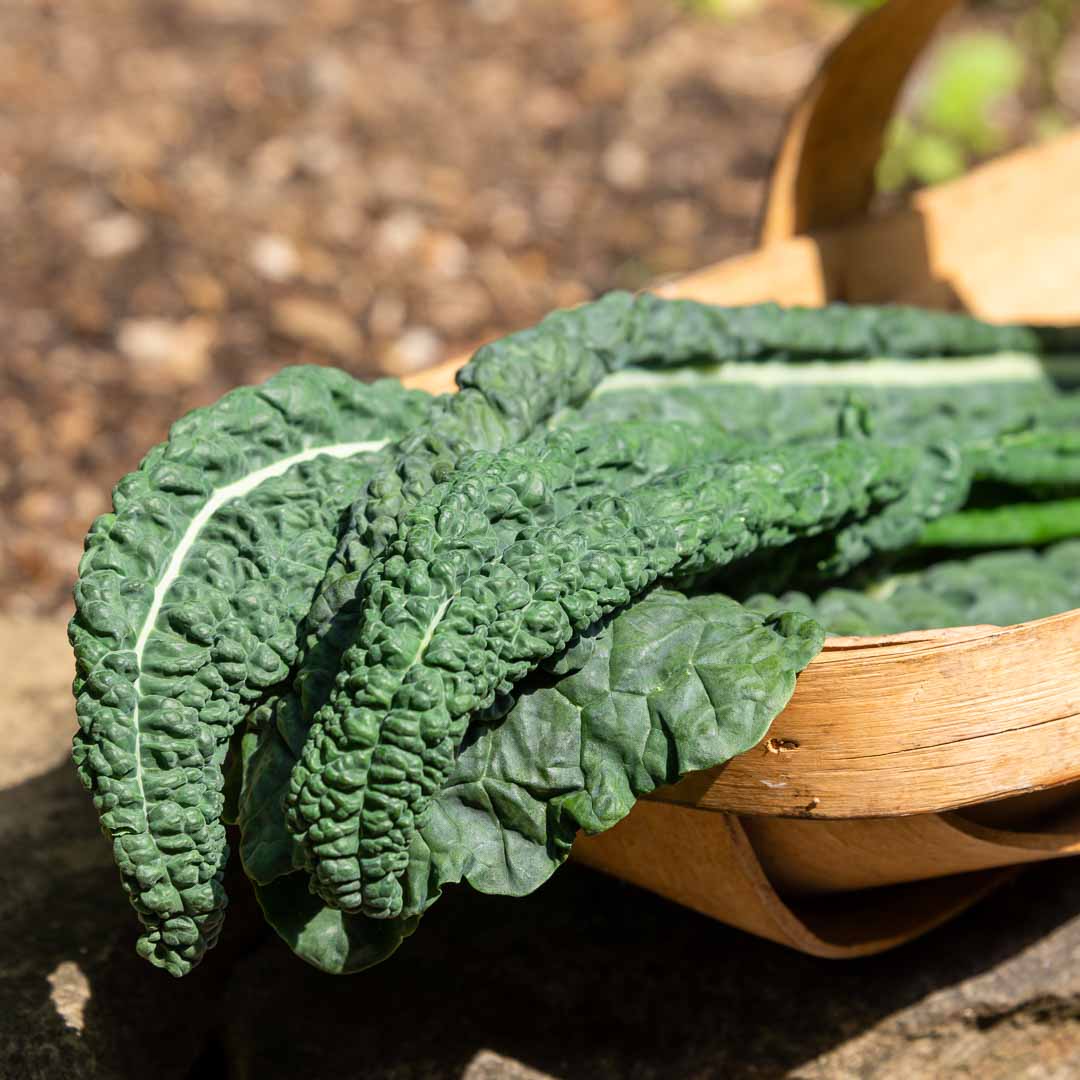
Often hailed as a modern superfood, kale is a brassica and is a close relation of the cabbage. There are many varieties and some are so attractive they could easily be grown in the border as an ornamental. We tend to grow a variety known as Cavolo Nero, which has dark inky green leaves which grow long and slender with crinkles on them. It’s great sliced and simply steamed or stir-fried in a little garlic-infused oil.
Parsnips
This is another FODMAP free vegetable and it’s a winter staple for us because parsnips are a delicious addition to soups and stews and are simply divine when roasted in a little olive oil in the oven.
Parsnip seed doesn’t remain viable for long and can have a low germination rate, so always buy fresh seed each year and don’t skimp on how many you sow. We’re in the northern climes of the UK and we’ve found that our parsnip seeds germinate best when sown towards the end of April or even as late as early May when the soil is a little warmer and drier.
Japanese pumpkin
We love winter squash, but the UK supermarket staple is butternut, which though delicious, can be a problem for some people with IBS because they have high amounts of GOS and Mannitol in anything but a modest amount.
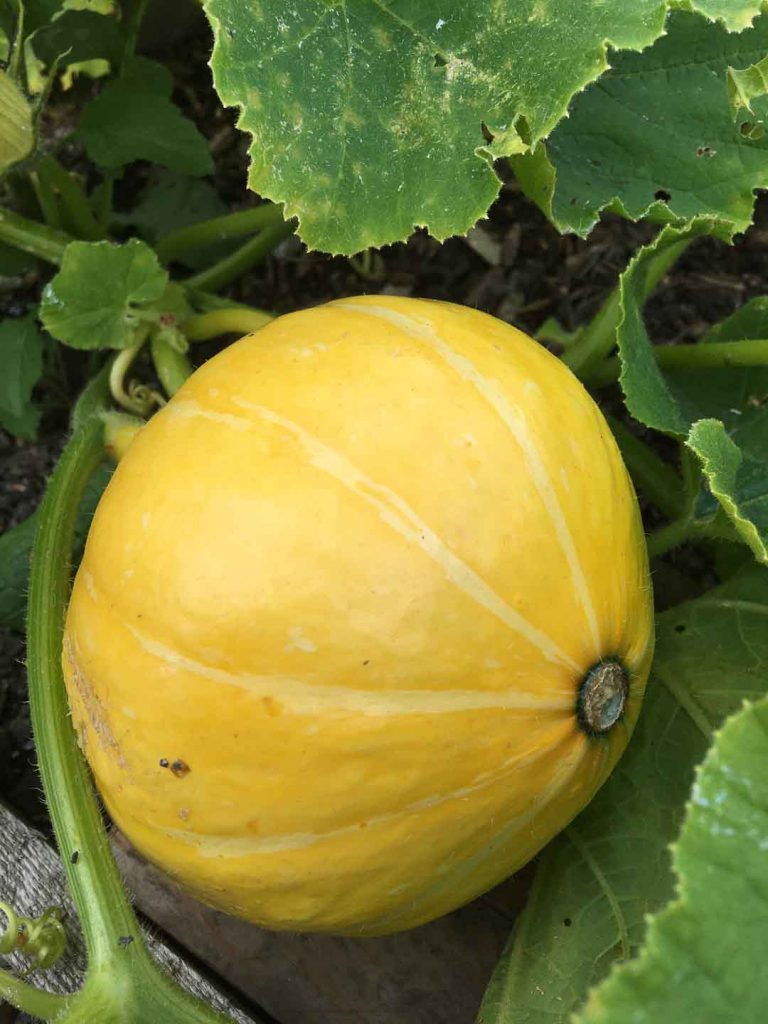
The saviour though is the Japanese pumpkin, which is a type of Hubbard squash with firm orange flesh and sweet nutty flavour. We’ve never seen them in mainstream supermarkets, so growing your own gives you access to squashes that are FODMAP free even in larger quantities and thoroughly delicious too. We grow one called Uchiki Kuri, which produces lovely firm squashes that store well for many months if kept in a cool, dry room.
Leeks
One of the most shocking things for people when first grappling with a low FODMAP diet is the thought of having to eliminate onions from their meals, at least until they’ve worked through the elimination and reintroduction phases. They are in so many dishes that the thought of managing without them is positively daunting.
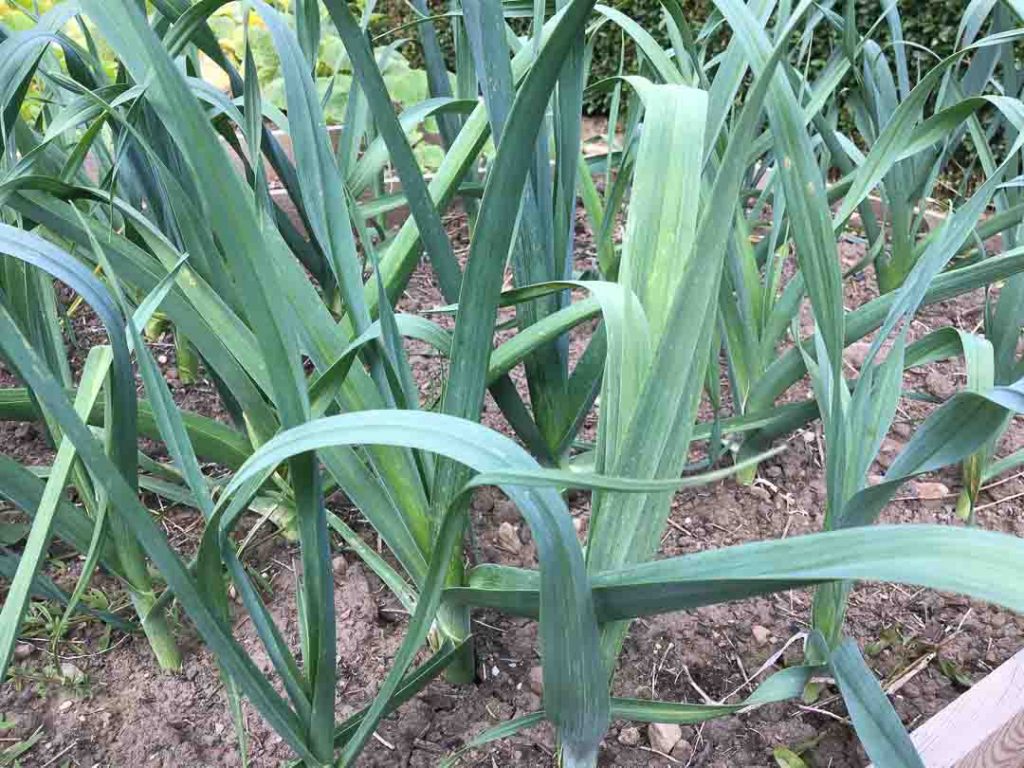
Leeks, however, are a different matter. Well, to be specific, the green part of leeks, which are classed as low FODMAP up to a 54g serving, which is roughly 2/3 cup. We substitute onions with green leeks in all manner of dishes and still get the lovely oniony flavour we crave.
Unfortunately, consumers prize the white bit of leeks, so supermarkets tend to stock super trimmed leeks with barely any green on them, so growing your own means you get easy access to an abundance of lovely green low FODMAP leek leaves.


